How to Improve Your Credit Score: The Ultimate DIY Credit Repair Guidest
How to Improve Your Credit Score: The Ultimate DIY Credit Repair Guide
A strong credit score opens financial doors—better loan rates, higher limits, and even favorable insurance premiums or rental opportunities.
If your score isn’t where you’d like it to be, don’t worry. There are practical steps you can take on your own to boost your score and take control of your financial future.
This guide will walk you through the tried-and-true methods of improving your credit from scratch. Whether you’re just starting or recovering from credit setbacks, these actionable strategies can help you get back on the right track.
What Is a Credit Score and Why Does It Matter?

Your credit score is a three-digit number (300–850) used by lenders, landlords, and sometimes employers to assess your creditworthiness.
Common scoring models:
FICO®
VantageScore®
Score ranges:
Excellent: 800–850
Very Good: 740–799
Good: 670–739
Fair: 580–669
Poor: 300–579
✅ A strong score can save you thousands over your lifetime by lowering monthly payments, securing better loans, and even improving job or housing opportunities.
The Anatomy of Your Credit Score

FICO® breaks down credit scores into five key factors:
Payment History (35%) – On-time payments, late payments, collections.
Amounts Owed (30%) – Balances vs. limits (credit utilization).
Length of Credit History (15%) – How long your accounts have been active.
New Credit (10%) – Recent hard inquiries or new accounts.
Credit Mix (10%) – Variety of credit types (cards, loans, etc.).
Step 1: Check Your Credit Report and Score

Get Free Reports:
Access free reports yearly (or weekly right now) via AnnualCreditReport.com.Check Your Score:
Use your bank, credit card provider, or free apps like Credit Karma or Credit Sesame.
Why? Errors are common—and catching them early prevents unnecessary damage to your score.
Step 2: Dispute Credit Report Errors
Mistakes (like wrong balances, duplicate accounts, or accounts that aren’t yours) can tank your score.
How to dispute:
Identify the incorrect items.
Gather supporting documentation.
File disputes with:
Follow up and track progress—bureaus have 30 days to respond.
Step 3: Pay Your Bills On Time—Every Time
Payment history is the #1 factor in your credit score.
Automate payments (at least minimums).
Set reminders or use budgeting apps.
Catch up on late accounts quickly.
✅ Consistent on-time payments are the fastest way to rebuild credit.
Step 4: Lower Your Credit Utilization Ratio
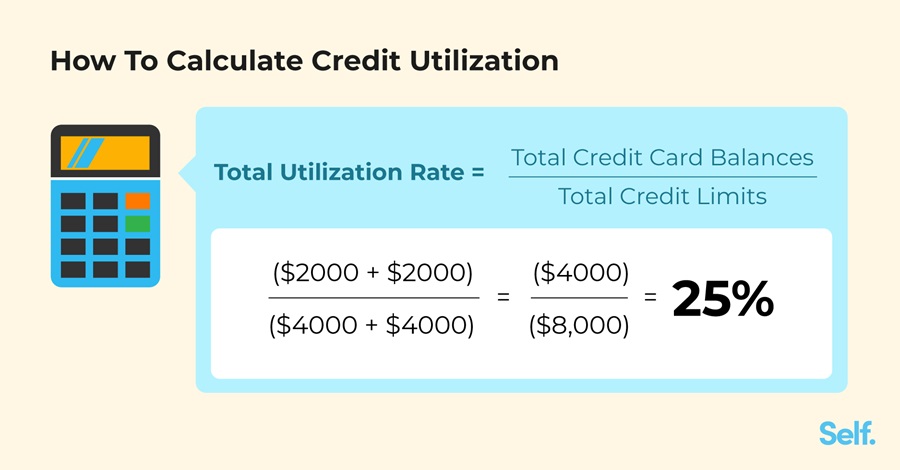
Credit utilization = balances ÷ total credit limits.
Action items:
Pay down cards, starting with those closest to maxed.
Spread balances across accounts.
Request credit limit increases (if you can manage responsibly).
Keep utilization under 30%—ideally under 10%.
Step 5: Avoid (or Minimize) New Hard Inquiries
Each new credit application triggers a “hard inquiry.”
Apply only when necessary.
Rate-shop auto/mortgage loans within 14–45 days (counts as one inquiry).
Step 6: Build a Positive Credit History
Authorized User: Join a trusted person’s card.
Secured Credit Card: A deposit-based card for building credit.
Credit-Builder Loan: Small installment loan to build history.
Diversify Credit Mix: Balance cards with installment loans when appropriate.
Step 7: Negotiate with Creditors and Collectors
Request goodwill adjustments for late payments.
Try pay-for-delete agreements with collectors (always get in writing).
Settle debts carefully—understand score/tax implications.
Step 8: Monitor Your Progress
Use free credit monitoring apps.
Check reports annually.
Consider paid identity theft protection services.
Step 9: Practice Good Credit Habits for the Long Haul
Budget and spend only what you can pay in full.
Keep old accounts open (unless costly).
Monitor co-signed accounts carefully.
Respond fast to fraud or identity theft.
Common Myths and Mistakes to Avoid
❌ Myth: Checking your own score hurts it.
✅ Fact: It’s a soft inquiry and won’t affect your score.
❌ Myth: Paying off collections deletes them.
✅ Fact: Paid collections still appear—ask for removal but it’s not automatic.
❌ Mistake: Closing old accounts.
✅ Keep them open to preserve history and credit availability.
DIY Credit Repair Checklist
Order your credit reports and scores
Dispute inaccuracies
Pay bills on time
Reduce utilization (<30%)
Limit hard inquiries
Use starter credit products
Negotiate with creditors
Monitor credit regularly
Stick to good habits
Accelerate Your Credit Repair Journey with Dispute AI™
DIY credit repair is possible, but it takes time and persistence. Tools like Dispute AI™ make the process faster, easier, and more effective.
With Dispute AI™ you get:
AI-powered dispute letters tailored to your reports
Automated monitoring & alerts
Expert guidance and resources
✅ Plus, Dispute AI™ now offers a Free White Label option—perfect for entrepreneurs and businesses looking to launch their own branded DIY credit repair platform.
Ready to Take Control of Your Credit?
👉 Sign up for Dispute AI™ today and see how AI can help you reach your credit goals faster.
⚠️ Disclaimer: This post is for educational purposes only. For personalized credit advice, consult a certified financial counselor or attorney.